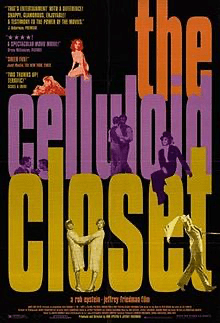
A History of LGBTQ Representation in Hollywood Films
The Celluloid closet is a 1996 documentary about the history and representation of LGBTQ individuals in mainstream Hollywood Films as early as 1912 and through to 1995.
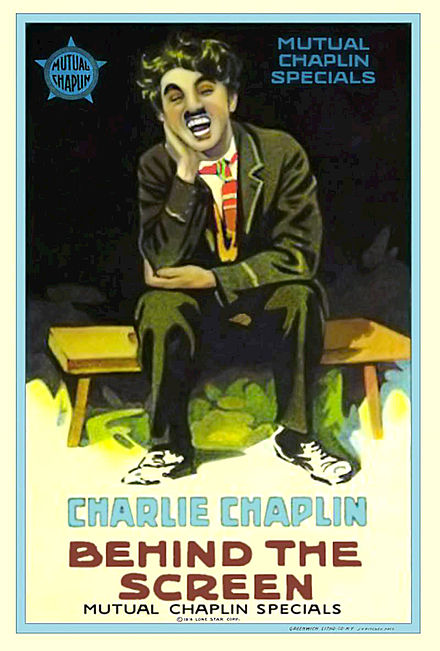
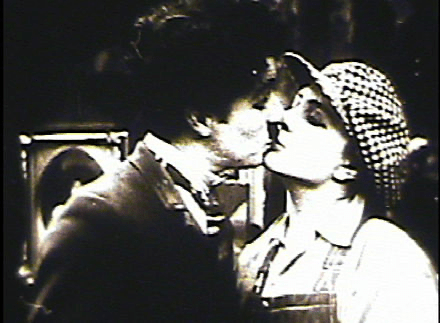
There is one scene in the film that sticks out vividly in my mind. While it is far from the biggest surprise or the worst injustice referenced in the film, a scene from Charlie Chaplin’s 1916 film Behind the Screen struck me in an unexpected way. There is a scene where Charlie Chaplin’s character; after finding out his fellow worker is not a man, but a woman in men’s clothing- kisses her while in view of another stagehand. The other stagehand thinks that Charlie is kissing another man, begins “prancing” around until he is kicked by Chaplin. Before watching this documentary, there were a few things that I was expecting to see (violence, villification, erasure). But here, in this scene, was a revelatory and surprising anecdote about the persistence of stereotypes. I was floored by the revelation that the stereotype of the ‘effeminate gay man’ could be so deeply entrenched in American culture that, even in a silent film, a character’s mimed behavior could be indicative of their sexuality. It goes further than this though: The character’s mimed behavior is not only indicative of their sexuality, the behavior being used as a punchline means that, as early as 1916, the stereotype of the ‘effeminate gay man’ was prevalent enough in society that the mere observation of effeminate behavior by a man would be enough for an audience to be able to draw a conclusion about a character’s sexuality.
 Zach's Blog About Gender and Sexuality in Film